Skip to content
The Blog

No Social Media Until 16? The UK Says Maybe.

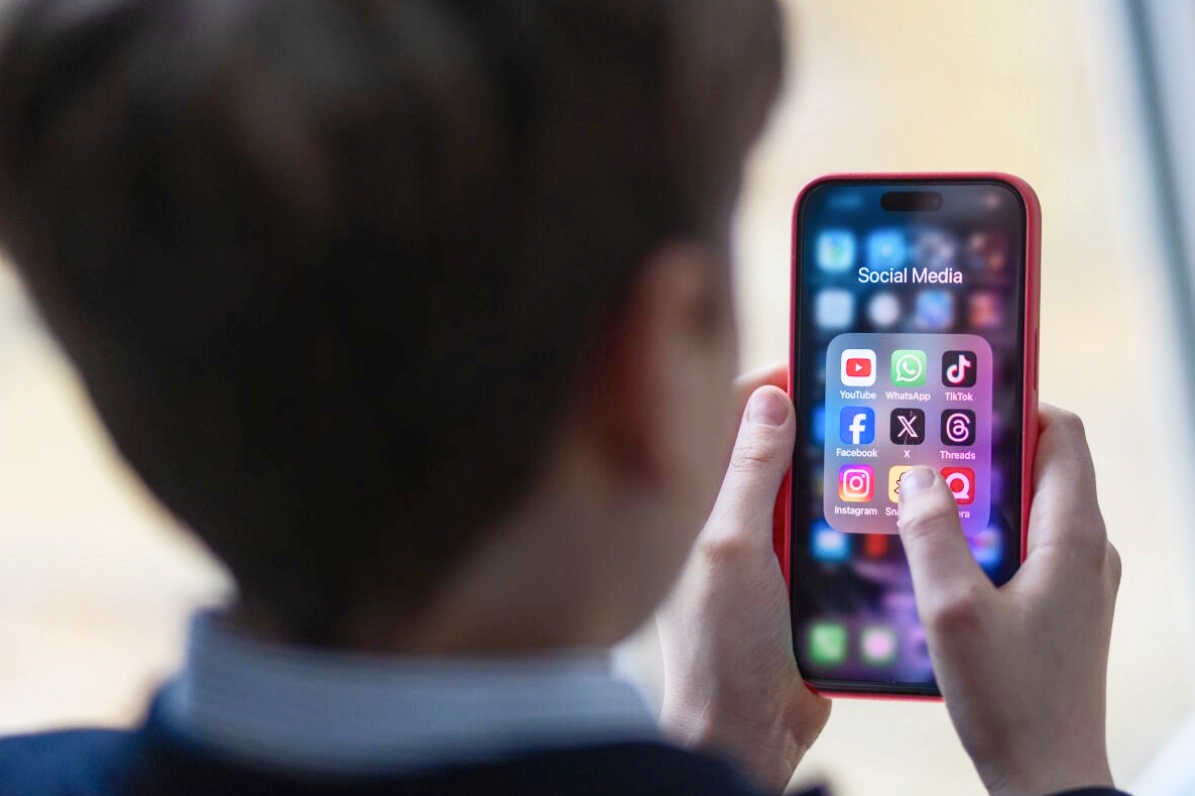
The UK is gearing up to ban social media for under-16s in a bid to “protect young people’s wellbeing.” Whether you’re a parent, work with kids, or just care about the next generation, here’s what’s going down! Following Australia’s lead, the UK is becoming one of the few countries to actually do something about this. The ban will roll out through the Children’s Wellbeing and Schools Bill.
HomeBlogSocial MediaNo Social Media Until 16? The UK Says Maybe.


Why Not?

Things have changed a lot since pre-pandemic times. Children are drowning in harmful content online and companies have made everything more intense and much harder for parents to keep tabs on. It’s not just about screen time anymore; it’s about what’s actually on those screens too.

Australia shows it can work

Australia is already testing it out and they’ve blocked under-16s from creating new accounts and shut down existing ones. 96% of kids aged 10-15 were on social media, and 7 out of 10 had seen harmful content. The ban is already making a difference. For example, Amy, a 14-year-old from Australia says since losing access to Snapchat, she says she feels free and she’s even picked up her hobbies again, such as running.

Australia shows it can work

Australia is already testing it out and they’ve blocked under-16s from creating new accounts and shut down existing ones. 96% of kids aged 10-15 were on social media, and 7 out of 10 had seen harmful content. The ban is already making a difference. For example, Amy, a 14-year-old from Australia says since losing access to Snapchat, she says she feels free and she’s even picked up her hobbies again, such as running.

Who does this actually affect?

This ban is mainly targeting Gen Alpha, but younger Gen Z (12-15 year olds) are caught in this mess too. Older Gen Z, who are now in their mid-to-late twenties, actually dodged a bullet. They grew up with OG Facebook and Instagram.

Younger Gen Z and Gen Alpha have been raised on targeted feeds and endless scrolling since pretty much day one, when their brains are still developing. That’s who the UK is now trying to protect.

The flip side

Some reckon it’s a little too late – millions of under-16s are already glued to their phones, and the damage is done. The Molly Russell Foundation has raised concerns that banning kids from social media might just “push harm to unregulated areas rather than making products safe by design for children.” Maybe instead of ‘punishing’ children, we should be putting pressure on companies to build safer platforms in the first place?

The flip side

Some reckon it’s a little too late – millions of under-16s are already glued to their phones, and the damage is done. The Molly Russell Foundation has raised concerns that banning kids from social media might just “push harm to unregulated areas rather than making products safe by design for children.” Maybe instead of ‘punishing’ children, we should be putting pressure on companies to build safer platforms in the first place?

Final thoughts

For years, parents have been left to figure this mess out on their own. It’s a step in the right direction now the government is acknowledging that children’s digital well-being actually matters.

The next question is whether other countries will follow along.

This is exactly why we created Stop.Think.Social. Our initiative is to raise awareness about the dangers young people face online and empower parents, caregivers, and communities with the knowledge to protect them.


Ready to conquer your marketing challenges?

Want to keep updated on topics such as the UK’s social media ban and get practical tips for protecting young people online?

Join the allyship!